Introduction
In today’s fast-paced world, maintaining optimal health and well-being is more crucial than ever. One key aspect of health that often goes unnoticed is blood oxygen levels. Adequate blood oxygen is essential for the proper functioning of the body’s organs and tissues. This blog post will delve into the significance of blood oxygen, diseases caused by its deficiency, types of muscle pain, and how Bodysma—a revolutionary wearable device—can help enhance blood oxygen levels and aid muscle recovery.
What is Blood Oxygen and Why is it Important?
Definition and Explanation of Blood Oxygen
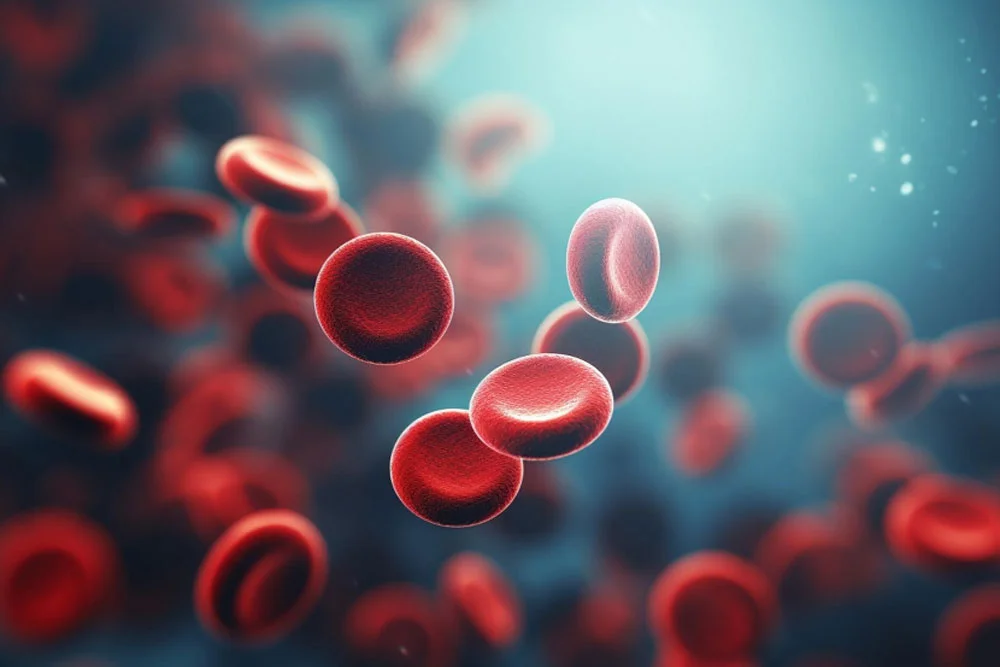
Blood oxygen refers to the amount of oxygen that red blood cells carry from the lungs to the rest of the body. Oxygen is essential for the survival and proper functioning of cells and organs. Without adequate oxygen, cells are unable to produce the energy required for various bodily functions, leading to a condition known as hypoxia. Hypoxia can cause serious health problems if not addressed promptly.
The Role of Blood Oxygen in the Body
Oxygen plays a crucial role in cellular respiration, a metabolic process where glucose and oxygen are converted into adenosine triphosphate (ATP), water, and carbon dioxide. ATP serves as the primary energy source for numerous physiological processes, including muscle contractions, nerve signaling, and brain functions. Hemoglobin, a protein in red blood cells, binds to oxygen in the lungs and transports it through the bloodstream to various tissues and organs, ensuring that every part of the body receives the oxygen it needs to function efficiently.
Normal Blood Oxygen Levels:
Blood oxygen levels are typically measured using a pulse oximeter, a non-invasive device that estimates the percentage of oxygen-saturated hemoglobin in the blood. Normal blood oxygen saturation levels usually range from 95% to 100%. Levels below 90% are considered low and can lead to various health complications, including respiratory distress, impaired cognitive function, and decreased organ performance. Maintaining normal blood oxygen levels is crucial for overall health and well-being, as even a slight decrease can have significant impacts on bodily functions.
By understanding the importance of blood oxygen and maintaining optimal levels, individuals can ensure their bodies are functioning at their best, supporting everything from physical performance to cognitive clarity.
Different Types of Muscle Pain
Acute Muscle Pain
Acute muscle pain is a type of pain that comes on suddenly and is usually associated with a specific injury or incident. This pain is typically short-term, lasting for a few days to a few weeks, and it often resolves with rest and appropriate treatment. Common causes of acute muscle pain include:
- Injuries: Such as sprains, strains, and contusions resulting from falls, collisions, or sudden impacts.
- Overuse: Activities that involve repetitive motion or excessive force can lead to overuse injuries, such as tendinitis or muscle strains.
- Strain: Lifting heavy objects, sudden movements, or intense physical activities can cause muscle fibers to stretch or tear, resulting in pain.
Chronic Muscle Pain:
Chronic muscle pain is persistent and lasts for more than three months. It is often related to underlying health conditions and can significantly affect a person’s quality of life. Unlike acute pain, chronic muscle pain may not always have a clear cause and can be more challenging to treat. Common causes and conditions associated with chronic muscle pain include:
- Fibromyalgia: A chronic condition characterized by widespread musculoskeletal pain, fatigue, and tenderness. People with fibromyalgia often experience pain in specific points on their body, known as tender points, and may also suffer from sleep disturbances and cognitive difficulties.
- Myofascial Pain Syndrome: This chronic pain disorder is caused by sensitivity and pain in the myofascial tissues, which surround muscles. It involves the development of trigger points, which are tight knots of muscle fibers that can cause referred pain in other parts of the body.
- Arthritis: Inflammatory conditions like rheumatoid arthritis and osteoarthritis can cause chronic muscle pain due to joint inflammation and degradation, leading to compensatory muscle strain.
Causes of Muscle Pain: Muscle pain can arise from various factors, including:
- Tension and Stress: Emotional and mental stress can lead to muscle tension, especially in areas like the neck, shoulders, and back. This tension can result in discomfort and pain over time.
- Overuse and Repetitive Movements: Engaging in repetitive activities, such as typing, running, or lifting, can strain muscles and lead to overuse injuries.
- Injuries: Acute injuries, such as sprains, strains, and fractures, can cause immediate and severe muscle pain.
- Poor Posture: Maintaining incorrect posture for extended periods, whether sitting, standing, or sleeping, can strain muscles and lead to chronic pain.
- Lack of Exercise: Inactivity can weaken muscles and lead to imbalances and pain when engaging in physical activities.
- Medical Conditions: Conditions like fibromyalgia, myofascial pain syndrome, arthritis, and infections can cause muscle pain.
Common Conditions:
Fibromyalgia:
Fibromyalgia is a long-term condition that causes widespread pain throughout the body. The pain is often described as a constant, dull ache that has lasted for at least three months. People with fibromyalgia may also experience:
- Fatigue: Even after a full night’s sleep, individuals may feel tired and exhausted.
- Sleep Disorders: Conditions like restless leg syndrome and sleep apnea are common in people with fibromyalgia, affecting the quality of sleep.
- Cognitive Issues: Often referred to as “fibro fog,” this can involve difficulties with concentration, memory, and focus.
Myofascial Pain Syndrome:
Myofascial pain syndrome is a chronic pain condition that affects the fascia (the connective tissue covering the muscles). The key characteristics of myofascial pain syndrome include:
- Trigger Points: These are sensitive areas of tight muscle fibers that can cause pain when touched. The pain can also spread to other parts of the body, a phenomenon known as referred pain.
- Persistent Pain: Unlike temporary muscle soreness, the pain associated with myofascial pain syndrome persists and can worsen over time.
- Limited Mobility: The pain and stiffness can restrict movement and reduce flexibility.
Other Chronic Muscle Pain Conditions:
- Polymyalgia Rheumatica: An inflammatory disorder that causes muscle pain and stiffness, especially in the shoulders and hips.
- Chronic Fatigue Syndrome (CFS): Also known as myalgic encephalomyelitis, CFS causes extreme fatigue that doesn’t improve with rest and may be accompanied by muscle pain.
Managing and Treating Muscle Pain
Treatment for Acute Muscle Pain:
- Rest: Avoiding activities that may worsen the pain.
- Ice and Heat Therapy: Applying ice packs can reduce inflammation, while heat packs can help relax tense muscles.
- Pain Relievers: Over-the-counter medications like ibuprofen or acetaminophen can help alleviate pain.
- Physical Therapy: Guided exercises and stretches can promote healing and prevent future injuries.
Treatment for Chronic Muscle Pain:
- Medications: Prescription medications may be required for conditions like fibromyalgia or myofascial pain syndrome.
- Physical Therapy: Regular sessions with a physical therapist can help manage chronic pain through targeted exercises and stretches.
- Lifestyle Changes: Incorporating regular exercise, maintaining a healthy diet, and practicing stress-relief techniques can help manage symptoms.
- Alternative Therapies: Acupuncture, massage therapy, and chiropractic care may provide relief for some individuals.
Introduction to Bodysma
Overview of Bodysma
Bodysma is a revolutionary wearable device designed to provide comfort, relief, and relaxation by alleviating muscle tension and stress. It uses advanced technology to measure blood oxygen levels and stimulate muscle recovery.
Technology and Innovation
The Bodysma shirt integrates precision heating and massage capabilities. It employs Electromagnetic Stimulation (EMS) to stimulate muscle contractions and promote relaxation. The device features a companion app for customized treatment plans and real-time monitoring.
Key Features and Benefits
- Smart Blood Oxygen Measurement: Bodysma uses pulse oximeters to measure blood oxygen levels accurately.
- Intelligent System Commands for Muscle Recovery: The system activates the muscle recovery mechanism to enhance circulation and oxygenation.
- Customizable Treatment Plans: Users can personalize their treatment plans through the companion app.
- Portable and Easy to Use: Bodysma is designed for use in various settings, including home, office, and healthcare environments.
How Bodysma Can Help Increase Blood Oxygen Levels and Aid in Muscle Recovery
Blood Oxygen Regulation:
Bodysma is equipped with advanced pulse oximeters that continuously monitor blood oxygen levels. These sensors are strategically placed to provide accurate and real-time readings. When the system detects a drop in blood oxygen levels, it automatically activates its muscle recovery mechanism. This intelligent response helps to enhance blood circulation and improve oxygenation throughout the body. By ensuring that blood oxygen levels remain within the optimal range, Bodysma supports the overall health and performance of the user.
Mechanism of Muscle Recovery and Increased Oxygenation:
The Bodysma device employs a combination of technologies to promote muscle recovery and increase oxygenation. One of the key features is its ability to deliver targeted massage therapy using Electromagnetic Stimulation (EMS). This technology stimulates muscle contractions, which in turn enhances blood flow to the affected areas. Improved circulation brings more oxygen and nutrients to the muscles, accelerating recovery and reducing fatigue. Additionally, the massage function helps to alleviate muscle tension and soreness, maintaining muscle strength and flexibility. The device’s intelligent control system ensures that the therapy is optimized for each user, providing a personalized treatment experience.
Real-Life Applications and Benefits:
Bodysma offers a versatile solution for a wide range of users, including medical professionals, office workers, athletes, and individuals with limited mobility. Here are some of the key applications and benefits:
- Medical Professionals: Doctors, nurses, and other healthcare workers often endure long hours and physically demanding tasks, leading to muscle fatigue and reduced blood oxygen levels. Bodysma helps to alleviate these issues by providing on-the-go massage therapy and ensuring adequate oxygenation, thereby enhancing their stamina and performance.
- Office Workers: Prolonged sitting and poor posture can lead to chronic muscle pain and decreased circulation among office workers. Bodysma addresses these problems by promoting better blood flow and providing relief from muscle tension, ultimately improving productivity and well-being.
- Athletes and Fitness Enthusiasts: Athletes require quick muscle recovery and optimal oxygen levels to perform at their best. Bodysma aids in faster recovery post-workout, reduces the risk of injuries, and maintains peak muscle performance.
- Individuals with Limited Mobility: For those who are bedridden or have limited mobility, maintaining adequate blood circulation and muscle health is crucial. Bodysma’s automated massage and oxygenation system ensures that these individuals receive the necessary therapeutic benefits without needing to engage in physical activities.
Overall, Bodysma’s innovative design and technology offer a comprehensive solution for enhancing blood oxygen levels and supporting muscle recovery. By integrating advanced sensors, intelligent controls, and personalized therapy options, Bodysma improves overall health and quality of life for a diverse range of users.
Conclusion:
Maintaining optimal blood oxygen levels and addressing muscle pain are crucial for overall health and well-being. Bodysma offers an innovative solution that combines blood oxygen measurement with advanced muscle recovery technology. Whether you are a healthcare professional, an office worker, or someone with limited mobility, Bodysma can help improve your quality of life by enhancing oxygenation and reducing muscle tension.